Texture as Design: Elevating Interiors with Tactile Wallpaper

Texture shapes how we perceive space. In wallpaper, texture is more than a visual pattern; it is the memory of a material captured in light and shadow. It invites tactility, guides the eye, and sets the mood of a room. This article surveys texture as a design language, illustrating how tactile detail—grain, weave, gloss, and imperfection—can transform spaces. We curate seven Aiixy wallpapers that exemplify texture in different scales, finishes, and contexts, showing how surface feels influence how a room feels.
"Texture is the physics of light and matter; what we see is what we feel with our eyes, and sometimes with our skin."
Texture as a Design Language
Texture in wallpaper operates on several axes: grain and finish (how a surface physically presents itself), reflectivity (how light interacts with it), and scale (how pronounced the texture appears at distance). A wall can become a quiet stage for light or a dramatic protagonist that commands attention. The following images showcase texture across landscapes and portraits, each chosen for how it communicates tactile presence in an interior context.
Grain, Finish, and the Subtleties of Light
Texture is most powerful when it holds up under different lighting conditions. A subtle grain can soften a space and reduce glare, while a pronounced texture amplifies shadows and creates a cinematic atmosphere. The Luxurious Black Texture with Double Gold Frame is a masterclass in controlled texture: a deep, almost velvet-like grain paired with a refined border that catches and refracts light, enriching both color depth and tactile suggestion. This wallpaper, in landscape orientation, is particularly effective for wide walls or feature panels in living rooms or entryways, where a viewer’s gaze travels across texture as they move through space.
To see how texture communicates in vertical formats, consider reading on a mobile device or a tall wall. The portrait-oriented textures invite the eye to explore grain and micro-detail up close, while maintaining legibility at a distance.
In practice, texture succeeds when it supports the room’s narrative. It should feel inevitable, not noisy; tactile, not flashy.
Next, we explore a more urban, industrial texture that anchors a room with presence and restraint.

Luxurious Black Texture with Double Gold Frame Wallpaper
Texture in Context: From Concrete to Grape Skin
Texture appears in many guises—from the mineral cool of concrete to the organic gloss of fruit skin. The following selections illustrate the breadth of tactility available on Aiixy, each chosen for its ability to communicate texture across different room roles and screen sizes.
For a cinematic backdrop that doubles as a conversation piece, the Moody Dark Concrete Texture offers rugged grain and a misty glow. Its portrait orientation makes it especially suitable for vertical canvases—think corridors, art nooks, or mobile wallpapers where the texture can breathe as you scroll. The concrete’s micro-surface variations create a sense of depth that doesn’t overwhelm the space; it grounds color palettes and complements metallic accents or warm wood tones.
In contrast, the Dark Slate Texture brings a grayscale, elegant restraint. The subtle crack lines introduce a tactile rhythm without competing with furniture or art. Its portrait format reads strongly on mobile devices, making it a versatile backdrop for design inspiration, dashboards, or personal wallpapers that require a calm, refined stage.

Moody Dark Concrete Texture - Misty Industrial Backdrop
Next, the Dark Slate Texture demonstrates how a controlled texture can function as a quiet hero in a modern space—textural, but never loud. The diagonally etched lines act like a pencil sketch across a wall, adding movement without color disruption.
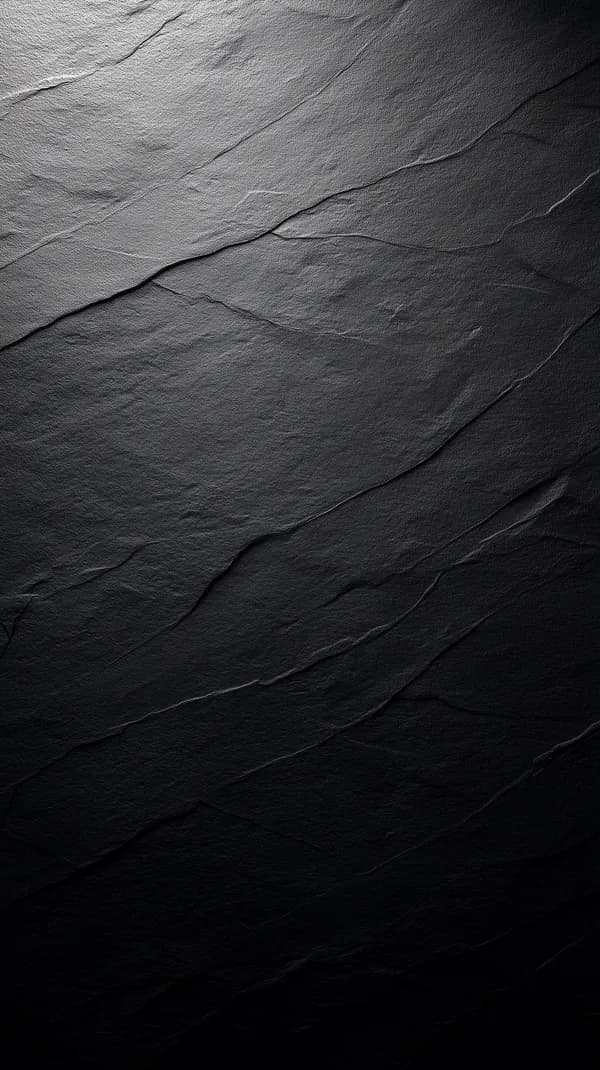
Dark Slate Texture Wallpaper with Subtle Crack Lines
Warmth and Organic Texture: Everyday Objects as Texture Inspiration
Texture does not require drama to be effective; it can reside in the warmth of everyday objects, captured in a still life that teaches the eye to notice subtle surfaces—the grain of wood, the smoothness of porcelain, the roughness of burlap. A well-chosen texture wallpaper can anchor a kitchen, dining area, or study by echoing the tactile cues of the room itself.
The Rustic Garlic Bowl in Warm Ambient Kitchen wallpaper exemplifies tactile warmth: a weathered wooden surface, papery garlic skins, and amber light create a cozy, lived-in texture that can enrich a dining area or culinary workspace. In landscape orientation, this wall texture works beautifully with warm color palettes and soft ambient lighting, inviting a sense of hominess and ease.

Rustic Garlic Bowl in Warm Ambient Kitchen with Shaded Light
Texture can also appear in more refined, natural motifs. The Glistening Dark Purple Grapes on Slate showcases glossy skins and dew on a slate surface. The combination of organic shine and mineral backdrop creates a sophisticated texture story—rich, tactile, and cinematic—perfect for dining rooms, wine bars, or living spaces that crave a touch of luxury without overt color. Its landscape orientation supports broad wall installations, where the texture can be admired from a distance as well as up close.

Glistening Dark Purple Grapes On Slate Wallpaper HD
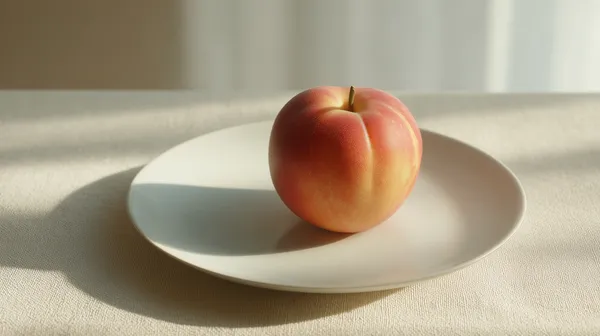
Similarly, the Soft Morning Peach on White Plate presents a delicate study in texture: the smooth porcelain, the velvet-soft peach skin, and the interplay of light on a white surface create a calm, tactile palette. This wallpaper, also landscape, is ideal for bedrooms or studios where softness and restraint help sustain focus and serenity.
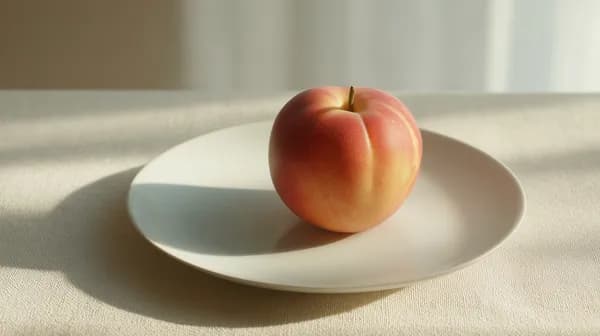
Soft Morning Peach on White Plate - Minimal Still Life Wallpaper
Biophilic Texture: Greenery, Moss, and Mist
Texture can bring nature indoors, translating organic surfaces into wall materials. Moss, foliage, and mist create a sense of depth and continuity with the surrounding environment. When used thoughtfully, such textures support biophilic design principles—reducing stress and improving well-being through a connection with the natural world.
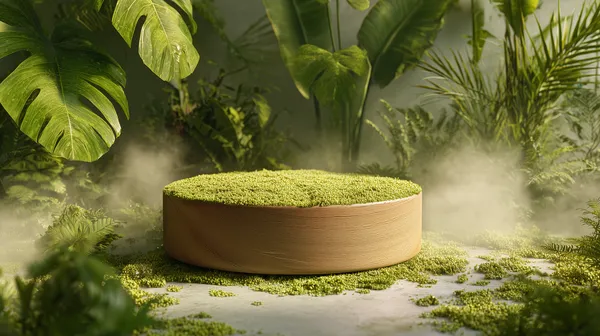
The Mossy Pedestal Surrounded by Tropical Foliage and Mist wallpaper offers a lush texture narrative: vibrant moss, curved wood, and a hazy fog evoke a tranquil forest interior. Landscape orientation makes it a dramatic wall feature in larger rooms or open-plan spaces, where the texture reads as a living tapestry that changes with light and perspective.

Mossy Pedestal Surrounded by Tropical Foliage and Mist
Texture can also be used to temper bold color or stark minimalism. By pairing a textured backdrop with clean, bright furnishings, you create a stage where each material can be appreciated for its unique tactility. The selection above demonstrates how texture travels across landscapes and portraits, from the dramatic to the intimate, always anchored in light, material memory, and architectural balance.
Texture in Practice: Practical Guidelines for Styling with Wallpaper Textures
- Context first: Choose texture that complements the room’s function and lighting. A textured wall can act as a gallery backdrop or a calming monolith, depending on the space.
- Balance scale: Large, pronounced textures suit expansive walls; finer textures work well on smaller surfaces or as feature bands.
- Coordinate with materials: Texture interacts with wood, metal, fabric, and stone. Let the texture echo or contrast with other materials in the room.
- Device-aware presentation: Landscape textures shine on desktops and wall-mounted displays; portrait textures perform beautifully on mobile and narrow walls.
As you experiment, remember that texture is a narrative device. It tells your space how to feel—calm, dramatic, cozy, or refined—without shouting. The seven wallpapers highlighted here illustrate how texture can infuse a room with tactility while maintaining a sophisticated, architectural clarity that resonates with both modern and classic aesthetics.